Agricultural implements are the backbone of modern farming. From rotavators and cultivators to seeders and land levellers, these machines make field operations faster and more efficient.
But here’s something many farmers overlook.
Buying a good implement is only the first step. How you maintain that implement determines how well it performs over time.
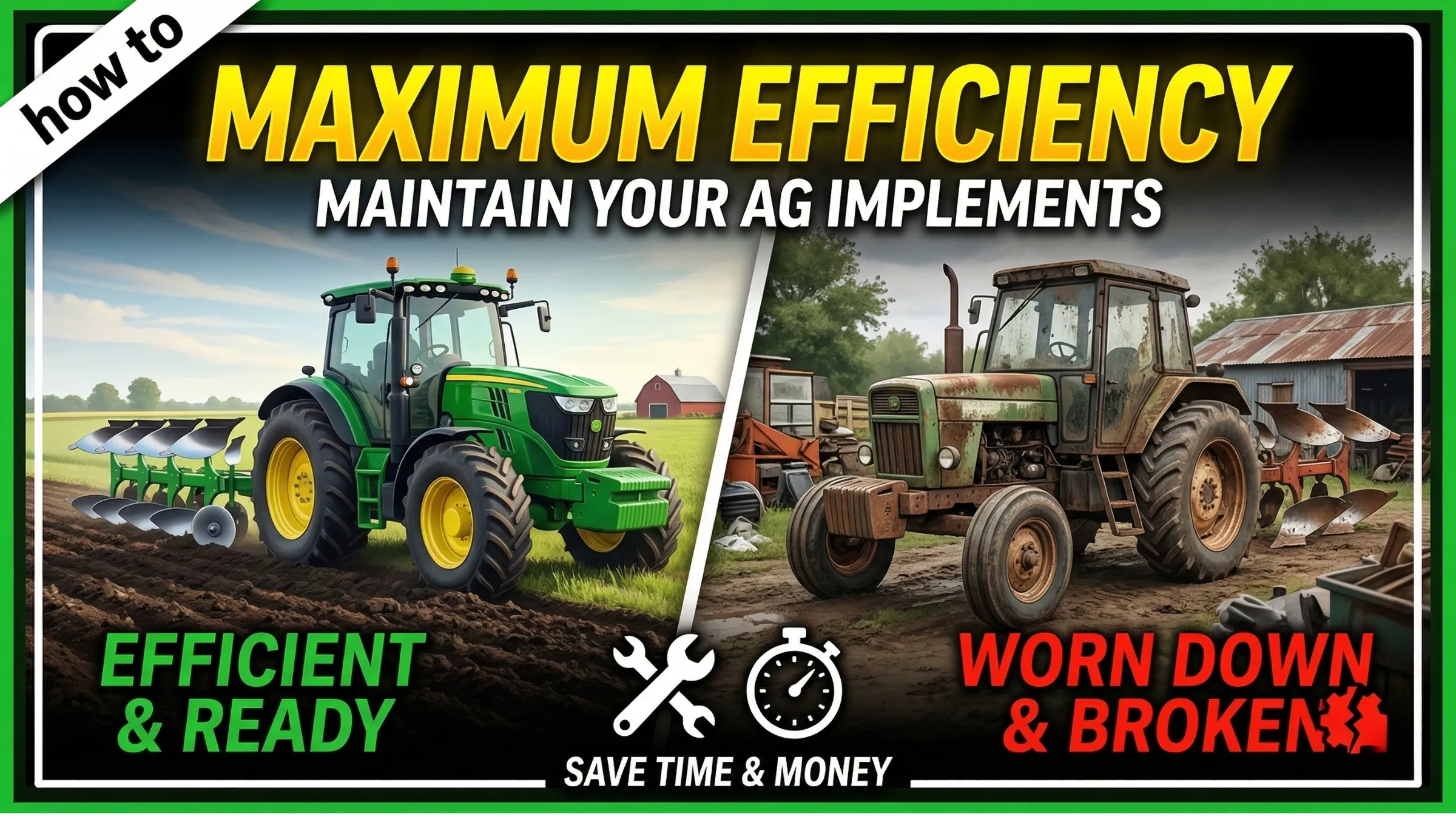
Poor maintenance can lead to breakdowns, higher fuel consumption, and uneven field performance. On the other hand, regular care can keep machinery running smoothly for years.
Let’s walk through some simple but important practices that help maintain agricultural implements for maximum efficiency.
1. Inspect Your Equipment Before Every Use
One of the easiest habits that can prevent bigger problems is a quick inspection before taking the implement to the field.
It doesn’t take long, but it can save a lot of trouble.
Check for things like:
- Loose bolts or nuts
- Damaged or worn-out blades
- Cracks in the frame
- Oil leaks around moving parts
Small issues often become bigger problems if they are ignored. Tightening a loose bolt today may prevent serious damage tomorrow.
Think of this step as a simple routine that protects your machinery and your time.
2. Keep Blades and Working Parts in Good Condition
Many agricultural implements rely on blades, tines, or cutting edges to do their work.
For example:
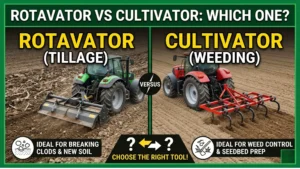
- Rotavators use rotating blades to break soil.
- Cultivators use tines to loosen soil.
- Straw management equipment uses cutting systems.
When these parts become worn or dull, the machine loses efficiency.
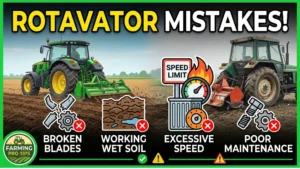
Instead of cutting cleanly through soil or residue, worn blades drag through the material. This increases resistance, which means the tractor has to work harder.
The result is:
- Higher fuel consumption
- Poor field results
- Extra stress on the tractor and implement
Regularly checking and replacing worn blades helps maintain proper performance in the field.
3. Lubricate Moving Parts Regularly
Agricultural machinery operates under heavy load and constant movement. Without proper lubrication, moving parts create friction, which leads to faster wear and potential damage.
Lubrication helps reduce this friction and keeps components working smoothly.
Important parts that usually require lubrication include:
- Bearings
- Joints
- PTO shafts
- Gear mechanisms
Following the manufacturer’s lubrication schedule ensures that all moving parts remain protected during operation.
A well-lubricated implement not only performs better but also lasts longer.
4. Maintain the Gearbox and Transmission Components
Many agricultural implements use gearboxes and driveline systems to transfer power from the tractor to the working parts.
These components are critical for efficient operation.
Low gearbox oil or contaminated lubricant can lead to overheating and internal damage. Regularly checking oil levels and replacing lubricants when needed helps prevent costly repairs.
It’s also important to inspect the PTO shaft and safety guards to ensure everything is working properly.
Taking care of these mechanical systems keeps power transmission smooth and reliable.
5. Clean Implements After Field Work
After a long day in the field, it can be tempting to park the equipment and deal with it later.
But cleaning your implement after use is an important step in maintenance.
Soil, crop residue, and moisture can accumulate on machinery. Over time, this buildup can lead to corrosion, rust, and component wear.
Cleaning the implement helps you:
- Remove soil and residue buildup
- Spot hidden damage or cracks
- Prevent rust formation
Even a quick rinse or brushing off soil can make a big difference in preserving equipment.
6. Store Implements Properly
Storage conditions also affect the lifespan of agricultural implements.
Leaving machinery exposed to rain, moisture, and sunlight can lead to rust, fading paint, and deterioration of parts.
Whenever possible, implements should be stored:
- In a covered shed
- On dry ground
- Away from standing water
If indoor storage is not available, covering the equipment with protective sheets can still help reduce exposure to harsh weather.
Proper storage protects the machine during periods when it is not being used.
7. Follow the Manufacturer’s Guidelines
Every agricultural implement is designed with specific operating and maintenance recommendations.
These guidelines usually include:
- Recommended operating speeds
- Proper depth settings
- Maintenance intervals
- Safety precautions
Following these instructions ensures that the implement performs as intended.
Ignoring these recommendations can reduce efficiency and increase the risk of damage.
Final Thoughts
Agricultural implements are built to handle demanding field conditions. But like any machinery, they perform best when they are properly maintained.
Simple practices such as regular inspections, blade maintenance, lubrication, cleaning, and proper storage can significantly improve efficiency and extend the life of the equipment.
Good maintenance doesn’t just prevent breakdowns—it also helps farmers complete field operations smoothly and get the best results from their machinery.
In the long run, taking care of your equipment is an investment in productivity and reliability in the field.